Most Southwest Florida wildlife is harmless and worth enjoying. Five minutes here covers what you may actually see, what's truly dangerous, and how to protect your pets. Each animal is labeled by how often it turns up locally — we don't call anything common without reliable local data.
🐾 Pet danger mode
Never let small pets wander alone near canals, empty lots or heavy vegetation, especially at dusk, night or dawn.
If you meet one
🐻 Bear encounter
- • Do not run.
- • Do not approach.
- • Give the bear an escape route.
- • Back away slowly.
- • Never feed bears.
- • Secure garbage and outdoor food.
🐊 Alligator encounter
- • Stay away.
- • Never feed it.
- • Keep pets away from water edges.
- • Do not attempt capture or removal.
🐺 Coyote encounter
- • Do not run.
- • Keep pets controlled.
- • Make yourself noticeable and haze a coyote that approaches.
- • Never feed coyotes.
“What was that?”
Pick what you saw to see likely SWFL species.
Field guide
Higher priority
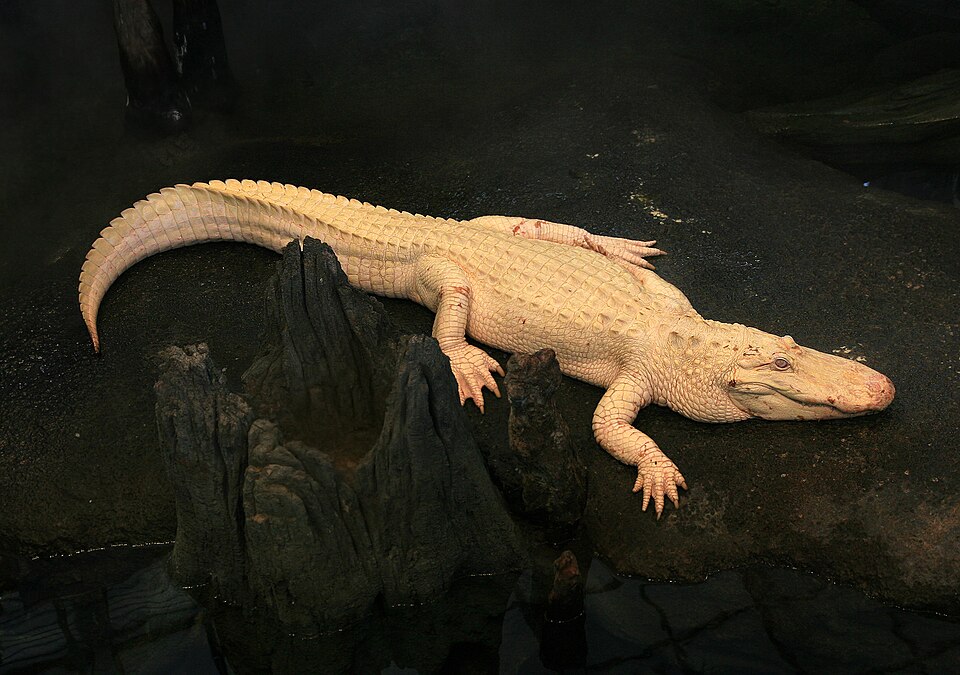
Photo: Brocken Inaglory, CC BY-SA 3.0 American alligator
Risk: HIGHCOMMONAny freshwater: canals, retention ponds, golf-course lakes, ditches. Occasionally brackish water.
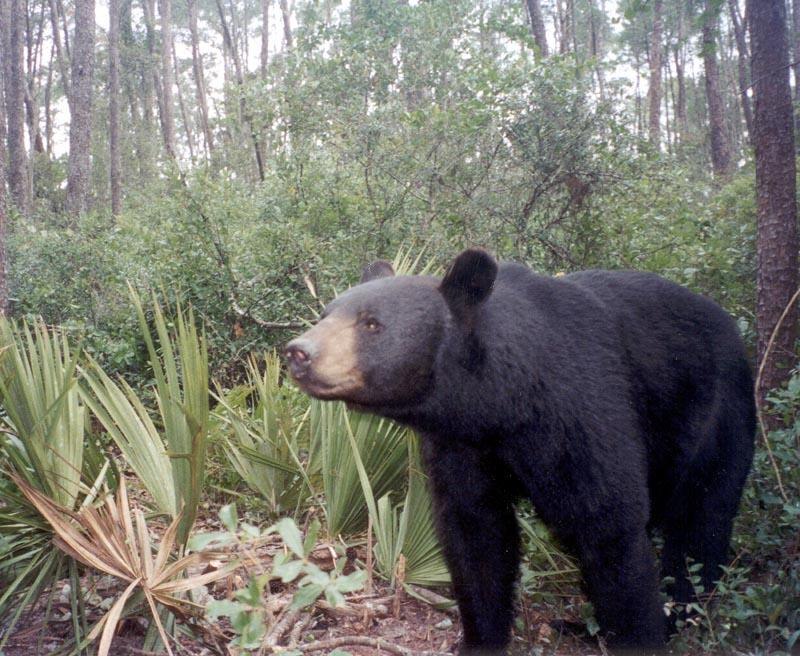
Photo: Florida Fish and Wildlife Conservation Commission, Public domain Florida black bear
Risk: CAUTIONRAREMostly rural/preserve areas of Collier and inland SWFL. Rare in Cape Coral itself.
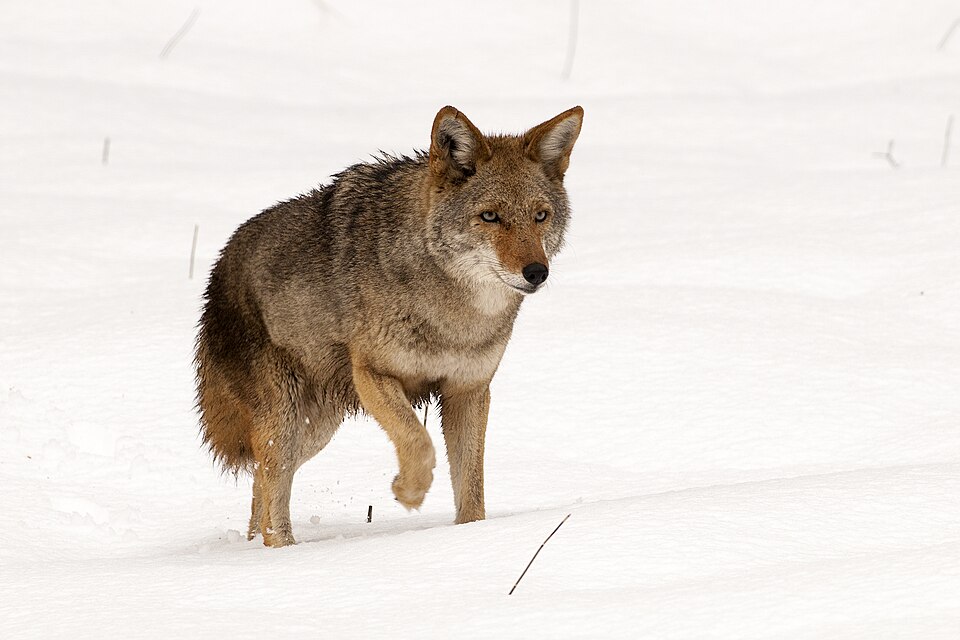
Photo: Yathin S Krishnappa, CC BY-SA 3.0 Coyote
Risk: CAUTIONOCCASIONALEmpty lots, preserves, edges of neighborhoods — present across Lee County.
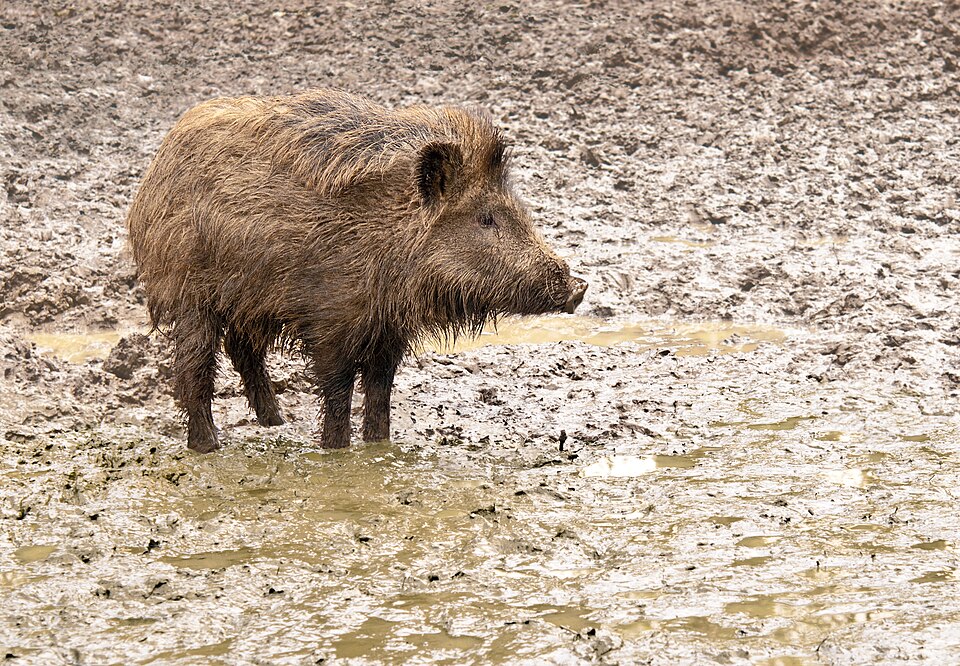
Photo: Michael Gäbler, CC BY 3.0 Wild / feral hog
Risk: CAUTIONOCCASIONALPreserves, wooded edges, rural land; they root up lawns near natural areas.
Sick or rabid-acting wildlife
Risk: HIGHRAREAnywhere. Raccoons, bats, foxes and feral cats are the main Florida rabies carriers.
Guidance summarized from:
- FWC — Living with wildlife
- FWC — Venomous snakes of Florida
- FWC — Nonnative species
- City of Cape Coral — Burrowing owls & wildlife
- Florida Dept. of Health — Rabies
Water, weather and boating hazards live in the Danger Zone.